
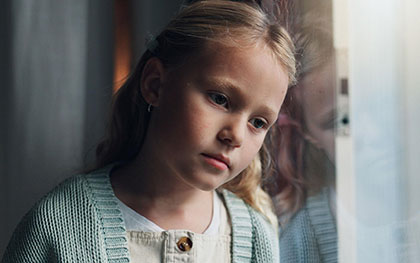
Kids Handling Stress at School
Practical Ways Parents Can Help Kids Handle School Stress, Teasing & Friendships
Stronger Kids Start at Home
Practical Ways Parents Can Help Kids Handle School Stress, Teasing & Friendships
Most kids aren’t struggling because they don’t care—they’re struggling because they don’t know what to do in the moment.
And most parents aren’t short on concern—they’re short on practical tools that actually work in real situations.
Here’s a tighter, parent-focused approach you can use right away.
1. Calm the Body First (Before Talking It Through)
When kids feel stressed or targeted, their body reacts before their thinking does. Trying to “talk it out” too soon often fails.
What to teach:
- Slow inhale (4 seconds)
- Short hold (2 seconds)
- Longer exhale (6 seconds)
Just a minute of this helps them regain control—and kids who look calm are less likely to be targeted again.
2. Replace “Ignore It” with a Better Strategy
“Ignore it” is vague—and often ineffective.
Give them simple, neutral responses they can actually use:
- “Okay.”
- “You’re not wrong.”
- “That doesn’t even make sense.”
The Goal : Delivered calmly, these responses remove the reaction bullies are looking for and often shut things down quickly.
3. Focus on 2–3 Real Connections (Not Popularity)
Kids feel pressure to be liked by everyone—which creates anxiety. Help them build a small circle instead.
- Encourage sitting near the same kids
- Practice small, repeatable interactions
- Let friendships build gradually
Key Mindset: Consistency—not charisma—is what creates real friendships.
4. Encourage “Side-by-Side” Socializing
Many kids struggle with direct conversation.
Easier path:
- Walking together
- Playing a game
- Working on something shared
Result: Less pressure leads to more natural connection.
5. Help Them Recognize Different Situations
Not all teasing is the same, and neither is the response:
- Attention-seeking behavior: stay neutral
- Status-driven teasing: don’t engage publicly
- Repeated aggression: document and involve the school early
When kids understand what they’re dealing with, they feel more in control.
6. Give Them Words Before They Need Them
Kids often freeze because they don’t know what to say. Practice these simple phrases at home:
- “Knock it off.”
- “You done?”
- “Anyway…”
Benefit: This builds muscle memory and confidence before the moment happens.
7. Change the Conversation at Home
Instead of asking a generic “What happened today?”, try specific questions:
- “What was the hardest part of your day?”
- “When did you feel uncomfortable?”
- “What would you try differently next time?”
Then , rehearse one better response together.
8. Use the “One Better Tomorrow” Rule
Kids don’t need to fix everything at once. Set one small goal for the next day:
- Say "hi" to one person.
- Stay calm in one situation.
- Try one new response.
Small wins build real confidence.
Bottom Line for Parents
What helps most isn’t long conversations—it’s simple, repeatable tools kids can use in real time.
When kids:
- Know how to stay calm
- Have a few responses ready
- Focus on a small circle of friends
They stop feeling stuck and start feeling capable. That shift changes everything.