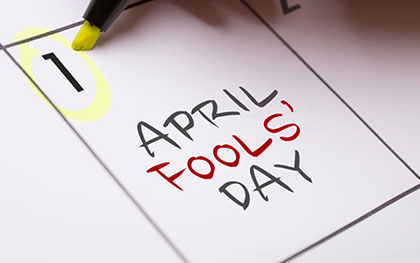
The Surprising Origins of April Fools’ Day
April Fools’ Day: A Holiday Built on Mischief, Mystery, and a Good Laugh
 Explore Your Neighborhood
April Fools’ Day: A Holiday Built on Mischief, Mystery, and a Good Laugh
There are not many days on the calendar when you are wise to question almost everything you hear before noon. But April 1 has earned that distinction. It is the one day when odd stories, exaggerated claims, and suspiciously cheerful behavior are all fair warning that someone may be up to something.
April Fools’ Day has become a beloved tradition of practical jokes and playful deception, yet its own history is surprisingly hard to pin down. In that sense, the holiday has remained true to itself. Even its origin story is a little mischievous.
One popular explanation traces the custom to France in the late 1500s, when the calendar changed and New Year’s Day shifted to January 1. According to legend, those who still celebrated the old springtime new year around April 1 became the subject of jokes and were labeled “April fools.” It is a tidy explanation, though historians are not entirely certain that is the full story.
Other theories suggest the day may have deeper roots in older spring festivals, when laughter, disguises, and role reversals were part of seasonal celebration. That idea feels fitting. Spring itself can be unpredictable — sunshine one moment, wind the next — as if nature has its own sense of humor.
What is known is that no famous individual can claim responsibility for creating April Fools’ Day. No official founder ever stepped forward. No proclamation made it a formal holiday. It survived because people liked it, repeated it, and handed it down year after year. And once a tradition gives people permission to play harmless tricks and share a laugh, it tends to stick.
Perhaps that is why April Fools’ Day still works. Beneath the pranks and punchlines, it offers something simple and refreshing: a chance to laugh at ourselves, expect the unexpected, and enjoy a moment of lighthearted fun. For a holiday built on fooling others, it has done an impressive job of winning people over for centuries.